
Maintaining Bone Health with an Endocrinologist in Dana Point Through Preventive Medical Care
Healthy bones support daily movement from childhood through later years. Regular care helps reduce future fears. Many people pursue guidance from endocrinologist in dana point during routine health visits. Small lifestyle changes often create long-lasting results. Early evaluation helps detect silent concerns before symptoms appear. Reliable medical guidance supports stronger bones across every stage of life.
Daily Bone Support Habits
Strong bones depend on simple daily routines. Regular movement improves strength over time. Healthy eating supports normal bone growth. Routine checkups help identify small changes before larger concerns develop.
Regular Health Monitoring Steps
Medical reviews provide useful information about bone conditions. Blood tests may reveal important changes. Physical examinations track overall progress. Early attention helps reduce future complications through steady observation.
Lifestyle Choices for Better Bone Strength
Daily habits impact long-term skeletal wellness. Small actions produce meaningful improvement over time.
- Choose calcium-rich meals supporting normal bone growth every single day.
- Include gentle walking sessions to improve balance during everyday physical movement.
- Drink enough water to support healthy body function throughout every season.
- Spend reasonable time outdoors receiving usual sunlight for vitamin support.
- Maintain a healthy body weight, reducing extra pressure on joints regularly.
- Sleep enough hours, allowing natural body repair every single night.
- Avoid excessive smoking because it weakens bone strength over time.
- Schedule endocrinologist in dana point appointments for routine health monitoring regularly.
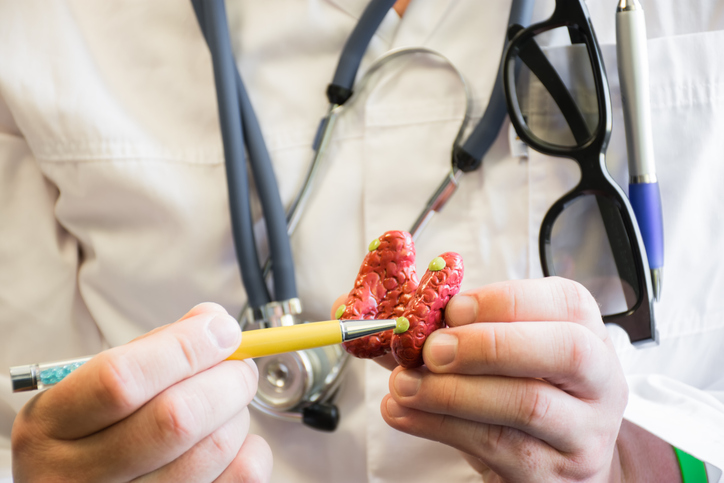
Which Everyday Habits Protect Bone Strength Best?
Healthy routines become valuable when followed every day. Regular movement improves flexibility while balanced meals support natural strength. Medical reviews identify concerns before noticeable symptoms develop. Simple actions completed consistently often provide better long-term results than occasional major changes.
Daily attention also includes enough sleep plus proper hydration. Moderate sunlight supports vitamin production. Avoiding harmful habits protects natural bone structure across different age groups. Families benefit when healthy practices become part of normal life rather than temporary routines.
Common Questions About Bone Care
- How often should bone screening happen? Frequency depends on personal medical evaluation.
- Which nutrient supports stronger bones most? Calcium remains important alongside vitamin D intake.
- Does walking improve skeletal strength? Regular walking supports stability plus healthy movement.
- Can younger adults protect their bones early? Healthy habits provide long term support.
- Should routine medical visits continue without symptoms? Regular reviews detect hidden concerns sooner.
- Does hydration matter for bone wellness? Proper water intake supports overall body function.
Steady Care Brings Lasting Results
Healthy bones trust on regular attention instead of chance effort. Balanced meals, routine movement, proper sleep, timely medical reviews, plus steady lifestyle choices all work together over many years. Small actions completed reliably often provide greater value than quick changes. A accurate routine supports better physical stability while helping reduce future concerns. Careful planning, steady follow-through, plus regular professional guidance remain practical steps for maintaining stronger bones throughout every stage of life.
How Saliva Analysis is Revolutionising Personalised Oral Health Strategies
The Dawn of a New Era in Dental Diagnostics
The landscape of dental care is experiencing a remarkable transformation, driven by advances in salivary diagnostics that are reshaping how practitioners approach oral health. Gone are the days when dental appointments relied solely on visual examinations and patient-reported symptoms.
Today, saliva analysis offers a window into the body’s intricate biological processes, providing dentists with unprecedented insights into individual health profiles. This non-invasive diagnostic tool is proving particularly valuable for those seeking comprehensive care from a private dentist Manchester and beyond, where cutting-edge technology meets personalised patient care.
Saliva, often overlooked as merely a digestive aid, contains a wealth of biomarkers that reveal critical information about oral and systemic health. From hormone levels to bacterial populations, genetic markers to inflammatory indicators, this remarkable bodily fluid serves as a liquid biopsy that can detect conditions long before they manifest as visible symptoms. The sophistication of modern analytical techniques now allows practitioners to decode these biological signatures with remarkable precision, ushering in an era where prevention takes precedence over reaction.
Understanding the Science Behind Salivary Diagnostics
The foundation of saliva analysis rests upon its unique composition and accessibility. Unlike blood tests that require invasive procedures, saliva collection is simple, painless, and can be performed repeatedly without causing patient discomfort. This ease of collection makes it an ideal medium for regular monitoring and long-term health tracking. Research into salivary diagnostics and their applications in modern dentistry has revealed that saliva contains over 3,000 different proteins, numerous enzymes, antibodies, and hormones, each serving as potential indicators of health status.
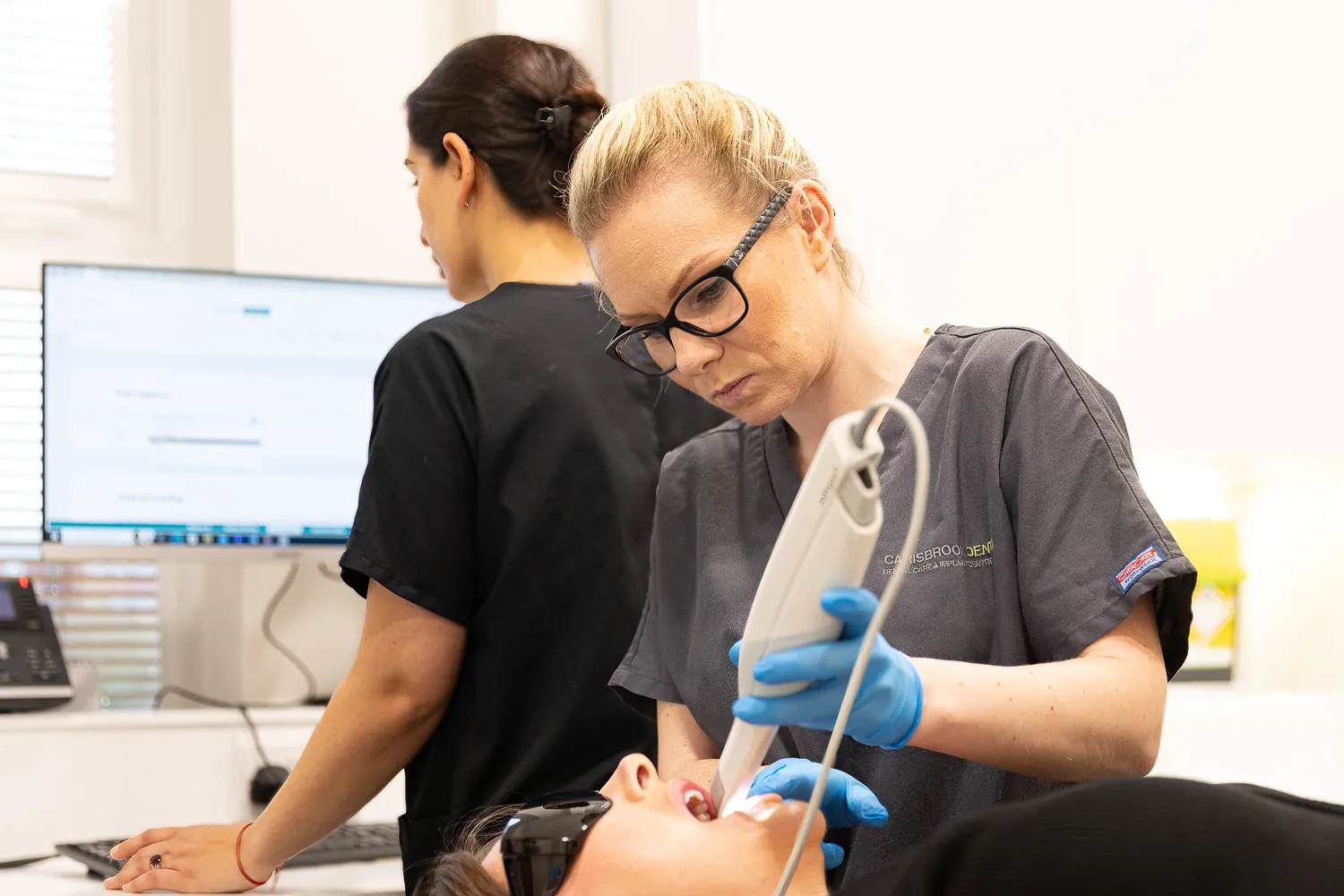
Key Biomarkers and Their Significance
Dental professionals now utilise saliva analysis to identify specific biomarkers that correlate with various oral health conditions. Elevated levels of certain bacteria indicate increased risk of periodontal disease, whilst particular enzyme concentrations can signal early-stage tooth decay. The presence of specific proteins may reveal inflammatory processes occurring beneath the gumline, allowing for intervention before irreversible damage occurs. This proactive approach represents a fundamental shift in how dental care is delivered, moving from reactive treatment to predictive prevention.
Personalised Treatment Plans Through Advanced Analytics
The true power of saliva analysis emerges when diagnostic data transforms into tailored treatment strategies. Each patient’s unique salivary profile enables practitioners to design interventions specifically matched to their biological needs. For instance, patients with elevated acidogenic bacteria receive targeted antimicrobial treatments alongside dietary counselling, whilst those showing signs of reduced salivary flow might benefit from stimulation therapies or medication adjustments. This bespoke approach ensures that resources are directed precisely where they will yield maximum benefit, improving outcomes whilst reducing unnecessary interventions.
Advanced salivary testing also facilitates risk stratification, allowing dental teams to identify patients who require more frequent monitoring or intensive preventive care. Those with genetic predispositions to certain conditions can be flagged early, enabling lifestyle modifications and protective measures before problems develop. This predictive capability represents a quantum leap from traditional dental care models, where treatment often commenced only after disease had already established itself.
Integration with Digital Health Platforms
The integration of saliva analysis with digital health platforms creates opportunities for continuous monitoring and real-time adjustments to care plans. Patients can track changes in their oral microbiome over time, observing how dietary choices, hygiene practices, and lifestyle factors influence their dental health. Many private dentist Manchester now combine salivary diagnostics with smartphone applications that provide patients with actionable insights between appointments, fostering greater engagement with their oral health journey.
The Future Landscape of Oral Healthcare
As technology continues to advance, the applications of saliva analysis expand beyond traditional dental concerns. Research demonstrates that saliva diagnostics are pioneering developments in both dentistry and broader medical fields, with potential applications in detecting systemic diseases, monitoring medication levels, and even identifying early markers of conditions such as diabetes and cardiovascular disease. This positions dental professionals at the forefront of holistic healthcare, serving as sentinels for overall wellbeing rather than merely guardians of teeth and gums.
The revolution in personalised oral health strategies through saliva analysis represents more than technological advancement; it embodies a philosophical shift towards patient-centred, evidence-based care that prioritises prevention and individualisation. As these diagnostic tools become increasingly accessible and sophisticated, they promise to redefine the dental experience, transforming routine check-ups into comprehensive health assessments that empower patients and practitioners alike to achieve optimal outcomes through informed, personalised interventions.